Why a septic problem feels so sudden
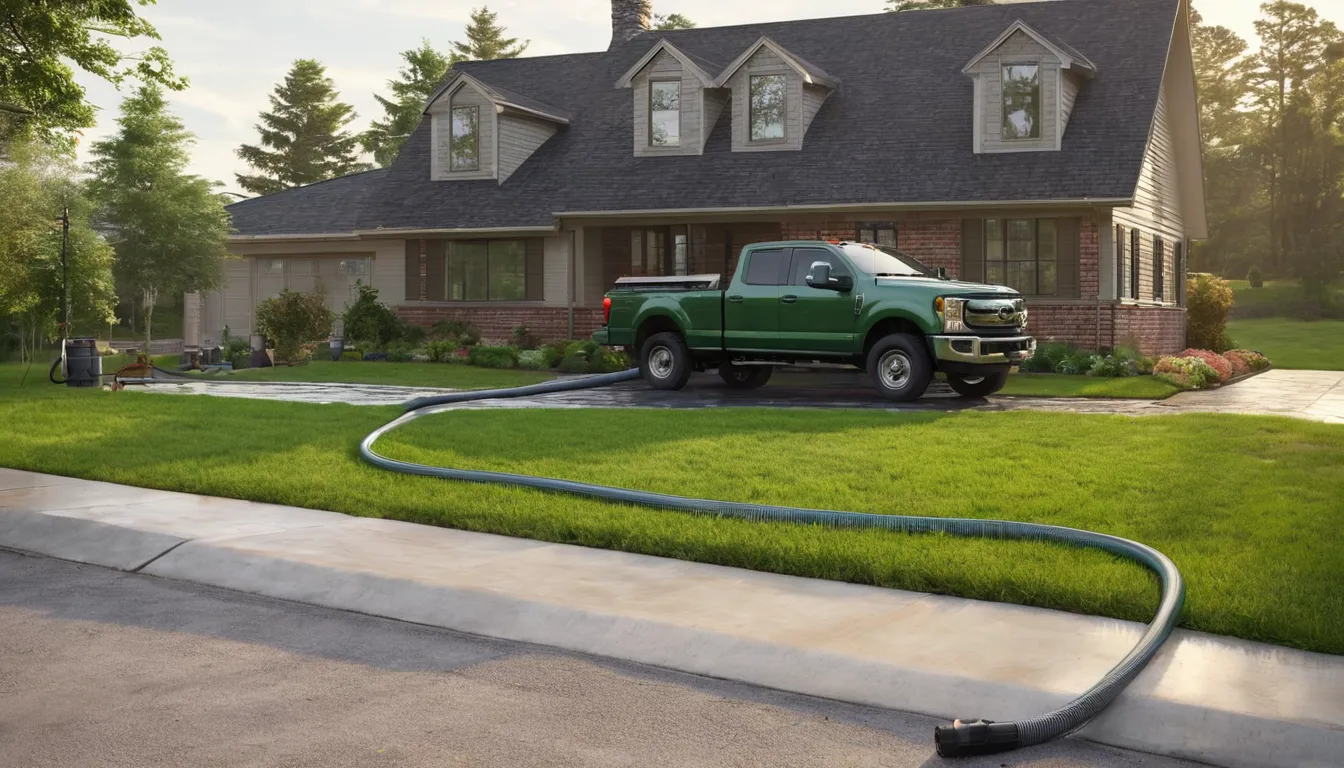
A septic tank works a lot like a kitchen strainer. Everything from your drains flows in, the solids settle to the bottom, and the liquid moves on. When the strainer fills up, the water has nowhere to go. That is usually when you notice slow drains, gurgling pipes, or a damp, smelly patch in the yard.
Madridcounty Septic is a referral service for homeowners in Stonecrest, GA. We do not do the work ourselves. We connect you with independent providers in our network who handle Septic Tank Pumping and Septic System Repair across the Stonecrest area.
If your house is older, the story can be a little different. Aging pipes, past patch jobs and tanks that nobody has looked at in decades can hide surprises. A good provider checks for these and explains what they find in plain words.
The easiest first step is to request an estimate. Tell us what you are seeing, and we will point you toward a local provider who can follow up with you.
Would you rather talk it through? Request a callback to check provider availability.
How It Works
A referral, not a repair crew
Think of Madridcounty Septic as a helpful neighbor who happens to know which local septic providers are available. You describe the problem. We pass it along to a provider in our network. The provider contacts you, looks at the system and gives you a written quote. The pumping, digging and repairs are done by that provider, not by us.
Why older houses deserve extra care
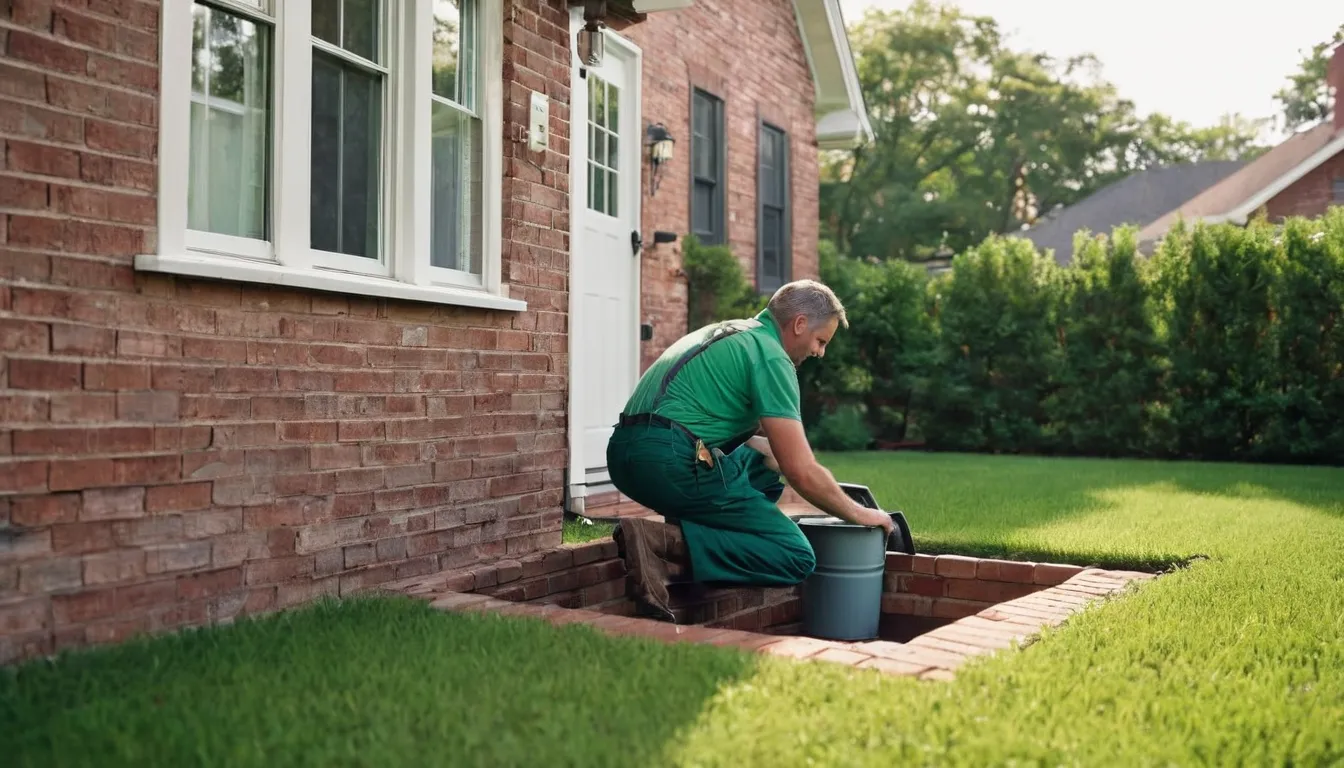
Many homes in this area were built decades ago, some as mill-era houses. Their tanks may be concrete, steel or even homemade. Steel rusts, concrete cracks and old clay pipes can crush or fill with roots. Past repairs may also be undocumented, so a provider may need to locate the tank lid or trace the lines before anything else.
This is why we suggest asking questions. What material is the tank? Where do the pipes run? What did you find that surprised you? A provider who answers clearly is usually one you can trust with the job.
Fix it, then keep it fixed
A repair solves today's problem. Habits and a simple schedule keep it from coming back. Many providers will explain how often to pump, what to keep out of the drains and how to protect the drainfield from heavy traffic. Ask for these tips before the visit ends, and write down the date of the work for next time.
Where Help Is Available
Madridcounty Septic focuses on Stonecrest and the surrounding communities in the Stonecrest area. Homes here vary a lot. Some sit on slabs, some have crawl spaces, and some are brick or vinyl-sided houses that have stood for generations next to newer subdivisions. Each type of house can affect where the pipes run and how a provider reaches the tank.
Think of a delivery driver who knows every back road. Local providers know the soil, the water table and the typical age of systems nearby. That local knowledge helps them guess faster what is wrong and what it might take to fix it.
Hot, humid summers and heavy thunderstorms can fill the ground with water. Occasional ice storms and the remains of tropical systems can do the same. A drainfield that is already tired may struggle in those conditions, so slow drains after a storm are worth taking seriously.
If you live in the Stonecrest area, or anywhere nearby in GA, request an estimate and tell us a little about your property. A provider in our network can then confirm whether they serve your address.
Provider availability varies by location and by day. Request a callback to check who may be able to respond quickly near you.
Septic care questions homeowners in Stonecrest often ask
What does a septic tank really do?
It is a buried container that holds wastewater long enough for solids to sink and grease to float. The clearer liquid in the middle flows out to the drainfield. Think of a pot of soup resting on the counter: the heavy bits settle and the oil rises.
How often should it be pumped?
Many households pump every three to five years, but it depends on tank size, household size and water use. A provider can measure the sludge layer and suggest a schedule. Keep the receipt so you know when the next pumping is due.
What are the warning signs?
Watch for slow drains, gurgling, sewage smells, wet spots over the drainfield, or unusually green grass in one area. Backups inside the house are urgent. If that happens, ask a provider about emergency septic cleaning right away.
What does drainfield repair involve?
The drainfield is like a sponge that soaks up the liquid. When the sponge clogs, water pools instead of soaking in. Drainfield repair can mean fixing broken pipes, relieving compaction or replacing sections. Costs vary widely, so ask for a written quote.
Do wells matter here too?
Homes with a private well sit on the same ground as their septic system. Some providers also offer water well service, and many will point out when a tank or field sits too close to a well. Ask about it during the visit.
What might this cost?
In the U.S., a typical pumping often runs from a few hundred dollars to somewhat more for large tanks or hard-to-reach lids. Repairs range from small fixes to many thousands of dollars. Every job is different, so get a written quote first.
Does insurance help?
Some policies may cover sudden damage, but wear and tear is often excluded. Check your policy. Providers can often help document damage for a claim.
How do I protect the system afterward?
Spread laundry through the week, use only septic-safe products, and keep cars and heavy equipment off the field. Think of the system like a car: regular small care avoids big repairs. Keep a simple log of dates and work done.
Start With a Request
You do not need to know exactly what is wrong. Describe what you see, hear or smell, and mention how old the house is if you know. That helps a provider come prepared. Requesting an estimate carries no obligation.
If you would like to speak with someone first, request a callback and ask about provider availability near Stonecrest.